Why Are Customers Calling With the Wrong Prices?
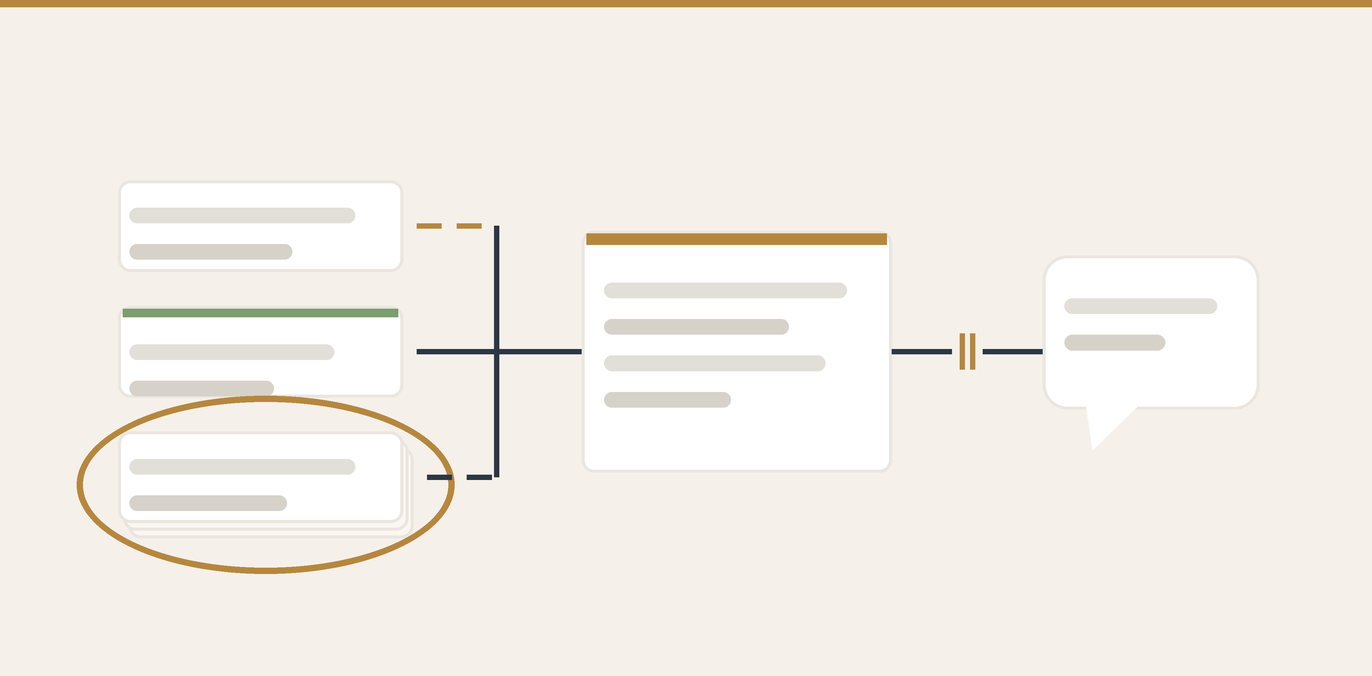
If callers keep quoting a price you don't charge, that number came from somewhere specific: a stale page, a directory listing, or a similarly named business. We tested this directly against 54 real local businesses and found an AI assistant quoting a price for 49 of them. In 14 of those 49 answers, the assistant presented a figure as that business's own price when the number actually traced to somewhere else. In the strongest case, it came from a same-named company about 1,500 miles away. Find where your number is published, then fix it at the source. Correcting the caller only fixes that one call.
Short version
- The symptom is the shape of the call, not the volume of calls: the count stays flat, but callers arrive already holding a price you never charged.
- We tested it: asked what 54 real local businesses charge for a service call, an AI assistant returned a specific price for 49 of them.
- Of those 49 priced answers, 25 did not trace to the business's own website (that's provenance, where the number came from). Separately, 38 of 49 were presented as that specific business's own price, wherever the number came from (that's attribution). Fourteen of 49 were both: a price attributed to the business but sourced from somewhere it doesn't control.
- The strongest example: a $49 service call quoted for a Phoenix business actually came from a similarly named company's website in Decatur, Alabama.
- Ask every caller where they saw the number, search your business name next to that exact figure, then correct the source. Correcting the caller in the moment fixes one call and nothing after it.
An appliance repair business owner starts noticing something a few weeks into fall. The weekly call count sits where it has always sat, a call or two either side of normal. But the calls keep opening the same way. "I saw it's eighty-nine dollars for a diagnostic visit." "Someone told me you do a flat sixty-dollar call-out." The business charges a hundred and twenty-five dollars for a diagnostic visit and has never offered a flat call-out fee. Nobody on staff quoted those numbers to anyone. They're specific, they're wrong, and they're consistent enough across unrelated callers that they're clearly coming from one place, not from a dozen people misremembering something different.
That's a different problem than the one the usual advice assumes, which starts from a drop: fewer calls than last quarter, an obvious decline to chase down. This is the opposite pattern. The number of calls hasn't moved. What's moved is what the caller believes before you've said a word.
That scenario is illustrative. What follows is what we found when we tested whether the mechanism behind it is real, and how often it happens.
Why Would a Caller Already Know the Wrong Price?
Because somewhere, something told them a price, and it happened before they ever reached you. A caller who states a number as fact, rather than asking what something costs, picked it up from a source they trusted enough not to double-check: a search result, a chatbot answer, a review site, or a directory listing that surfaced when they searched your name. They are repeating a number they were given, and in our own test, that number traced away from the business's own site in 25 of 49 priced answers.
The problem isn't that customers are calling with unrealistic expectations in some general sense. A specific, wrong number exists somewhere outside your control, is being presented as fact, and is reaching customers before they reach you.
How Often Does This Actually Happen?
Often enough to measure, and we measured it. We pulled 54 real business listings across three trades (appliance repair, plumbing, and locksmith services) in three US metro areas (Denver, Atlanta, and Phoenix), then asked an AI assistant (ChatGPT, model gpt-4o, with web search turned on) what each one charges for a standard service call. Fifty-four listings named 53 distinct businesses, because two branches of one appliance-repair company share a name and a website. A domain-level count comes to 52, since one locksmith pair also shares a domain under two distinct business names. Neither distinction changes any figure below. Every response was captured unedited on September 10, 2026.
| What we measured | Count | Share of 49 priced answers |
|---|---|---|
| Answers that stated a specific price | 49 of 54 businesses tested | 90.7% of 54 |
| Price traced to the business's own website (provenance) | 24 | 49.0% |
| Price traced to somewhere else (provenance) | 25 | 51.0% |
| Price presented as that specific business's own price, wherever it came from (attribution) | 38 | 77.6% |
| Price presented as that business's own price AND traced to somewhere else (both at once) | 14 | 28.6% |
The trade split
Which trades got a price from an outside source
11 of 16
appliance repair priced answers
8 of 16
locksmith priced answers
6 of 17
plumbing priced answers
The last two rows answer a different question than the rows above them. Provenance asks where the number came from. Attribution asks whether the assistant told the caller this was that business's specific price, rather than a general range for the trade or the area. A price can trace to a directory and still be framed as an estimate ("lockout calls in Phoenix commonly range between $65 and $150"), which isn't the same failure as a price traced to a directory and stated as fact for one named business. Fourteen of the 49 priced answers did both at once: presented a number as a specific business's price, sourced from somewhere that business doesn't control. That's the population this article is about.
Two different questions
Provenance vs. attribution
| Provenance: where the number came from | Attribution: what the caller was told |
|---|---|
| 24 of 49 the business's own site | 38 of 49 presented as this business's own price |
| 25 of 49 somewhere else | |
| 14 of 49 both at once | The intersection the article measures. |
None of the 49 priced answers were invented outright. Every one carried a citation pointing to where the number came from, which means the fix is findable: the number is sitting on a live page somewhere, not generated from nothing. The third-party share also wasn't even across trades: appliance repair answers cited a source outside the business's own site in 11 of 16 priced answers, locksmiths in 8 of 16, and plumbers in 6 of 17.
Where Does the Price Actually Come From?
From whatever is already published, correct or not. AI tools summarizing a business's pricing don't call and ask; they pull from what's already written down. In our test, the priced answers broke down by source like this:
| Likely source | How common in our test | Why it persists |
|---|---|---|
| A directory, review platform, or cost-guide page mentioning your business | 19 of 25 third-party answers | Scraped or entered once, then left alone |
| Another company's website, a similarly named or nearby competitor | 6 of 25 third-party answers (1 verified as an outright misattribution; the rest state a trade or metro range, or name the other company directly, so a reader isn't misled) | Similar names or categories getting blended together |
| Your own site, on an old pricing page or post | 24 of 49 priced answers overall | Never updated after a rate change |
How the number reaches the call
Where a wrong price comes from, and where it goes
Stale source
Old site page, directory listing, past promotion, or a similarly named competitor.
AI assistant summarizes it as current fact
Caller repeats the number as fact
Before you've said a word.
Fixed at the source
Not on the call.
None of those sources are malicious. They're stale. A price that was accurate years ago, published somewhere and then forgotten, can still be the exact number an assistant repeats today if nothing newer has replaced it.
The One Verified Case: A Phoenix Price That Came From Alabama
The clearest example in our test involves two real companies with almost the same name. Asked what Valley Heating, Cooling & Appliances charges for a service call in Phoenix, Arizona, the assistant answered "$49" and cited valleyheatingandcooling.com, noting that the business's site "promotes a $49 Service Call."
That page is real, and the offer is real. It just isn't the Phoenix business's page. valleyheatingandcooling.com belongs to a company in Decatur, Alabama: its title tag reads "Decatur, AL HVAC Company | Valley Heating & Cooling," and its own copy says "Serving Decatur, AL Since 1987." "Decatur" appears repeatedly across the page; "Arizona" and "Phoenix" appear zero times.
The actual Phoenix business, Valley Heating, Cooling and Appliances, publishes at azvalleyservices.com, describes itself as "Arizona's Best HVAC and Appliance Company," and states it has served the Phoenix metro area since 1976. Its site carries no $49 offer, or any comparable dollar figure, anywhere.
A caller in Phoenix who dialed the real business would have been holding a $49 figure that belongs to a similarly named company about 1,500 miles away.
This isn't the first time we've documented AI citing a source outside a caller's own area: we've shown a Pennsylvania HVAC page cited for an Austin search, and a plumber recommended 320 miles from where someone searched. What's new here is that the mis-sourced item is a specific dollar figure attached to a named business, not a general recommendation.
Is This a Known Problem Beyond Our Own Test?
Yes, though nobody had measured this exact question before. Localogy, an industry publication, put the gap plainly: "There's currently no research measuring how often local businesses specifically appear inaccurately in AI-generated answers. Most available studies look at AI hallucinations and businesses more broadly." This test measures precisely that gap for one narrow question: where the price attached to a named local business actually comes from.
Two other sources support the mechanism from outside our own data:
- Insites, which sells audits of how AI tools describe a business, ran its own test across 10,000 US local businesses: ChatGPT correctly identified 93.59% of the businesses tested, but only 55.58% of those answers fully matched the business's own Google Business Profile details (vendor research).
- Seer Interactive, an agency that sells generative-engine-optimization services, ran a test of 178 branded phone-number questions across seven AI models, all on large brands such as banks, airlines, and retailers, not local service businesses. When a phone number was wrong, it matched a page the model had actually cited 93% of the time, meaning it was sourced from somewhere real rather than invented (agency research, large-brand sample).
In an earlier test, we found Perplexity drawing 54.2% of its citations, when recommending a business, from sources that business doesn't control. That test counts which sources get cited in a recommendation. Ours counts where the price attached to a named business comes from. A business can be cited correctly, and even recommended, while still having the wrong price attached to it.
Why a directory page can out-cite a business's own website is covered separately. Here the same mechanism hands a caller a specific dollar figure.
How Is This Different From Just Getting Fewer Calls?
A drop in call volume and a drop in call quality are separate problems with separate diagnostics, and treating this like the first one wastes time. If calls had fallen off, the fix would start with visibility: are you showing up at all when someone searches for what you do. That's not what's happening here. The calls are still coming in at a normal rate. What's changed is the substance of the conversation once the call connects.
That distinction matters for where you look next. A volume problem sends you toward whether your business shows up in the first place. A shape problem sends you toward what is being said about you somewhere you haven't checked. Those are different investigations, and starting the wrong one burns time you don't have to spare.
Is This Actually Costing Me Business If Call Volume Hasn't Dropped?
Yes, even though the phone is still ringing. A wrong price doesn't stop someone from calling; it changes what happens on the call. Some callers hang up the moment the real number lands, because the gap feels like a bait-and-switch even though you never set the bait. Others book anyway but start the relationship annoyed, which shows up later in reviews, in how much benefit of the doubt they extend if something goes wrong, or in whether they call again. A steady call count can hide a steady loss of trust, one conversation at a time, and that loss doesn't show up in any call-volume report.
There's also a quieter cost: every call that opens with a correction is a call that starts with you managing a misunderstanding instead of solving the customer's actual problem. That adds up across a week of calls in a way that's easy to feel and hard to point to on paper.
How Do I Find Out What Price Is Actually Being Quoted?
Ask, then search, then check the likely spots in order.
- Ask every caller who states a price where they saw or heard it. The answers are specific: "it's on your website," "I looked you up," "I asked an AI assistant," or "I saw it on a directory." That alone can point at the source before you search anything.
- Search your business name next to that exact dollar figure. In our test, the prices that came from somewhere else sat on a directory, a review, a cost-guide page, or, in the Decatur/Phoenix case, another company's own site entirely.
- Check your own website for the same figure on an old page. Twenty-four of the 49 priced answers we tested did trace back to the business's own site, so the figure a caller repeats can be one you published yourself and have since changed.
- If a caller names a specific AI tool, ask it the same question a customer would ask, in plain language, and note which page it cites.
- If nothing business-specific turns up, check for a similarly named company in another city or state. That's exactly what happened in the Decatur/Phoenix case above.
In this order
Five steps to find where the price is coming from
1.Ask the caller where they saw or heard the number.
2.Pair your business name with that exact dollar amount in a search.
3.Look through your own site for an old page carrying that number.
4.If a caller names an AI tool, ask it the same question and note its citation.
5.With no business-specific result, look for a same-named company in another state.
What Do I Do Once I Know the Number Is Wrong?
Fix it at the source, not on the phone. Correcting a caller in the moment solves that one call. It doesn't stop the next caller from hearing the same wrong number before they ever dial. The lasting fix is updating wherever the price is coming from: your own site if it's stale, or the directory listing if that's the source. If the number doesn't trace to one obvious spot, the target is the wider set of places an AI tool draws on.
QBiz has a full walkthrough of that correction process, covering which sources to fix in which order, at how to fix what AI says about your business. That page owns the correction mechanics. This one is about recognizing that a wrong, specific, and repeatable price is exactly that kind of fact, not a training issue with your front-desk script.
How Do I Stop This From Happening Again?
Treat pricing the way you'd treat your phone number or address: something that should say the same thing everywhere it appears, checked on a schedule rather than only after a customer flags it. A rate change is the moment this problem gets planted. Even after you update your own site, a directory listing or an old post can still show the previous number. That gap is what gets picked up and repeated as fact the next time someone asks.
In Short
A caller stating a wrong price as fact learned it from a real, findable source, not from nowhere. In a direct test of 54 local businesses, an AI assistant priced 49 of them, and 14 of those answers stated a figure as that specific business's price while the number actually came from a directory, a review, or, in one verified case, a similarly named company on the other side of the country. The number is never random. It's published somewhere. Find where, correct it there, and the next caller stops repeating it.
FAQ
Why would a customer already know a price before I've told them one?
Because they read or heard it somewhere before calling: a search result, an AI assistant's answer, a directory listing, or an old post. In our test of 54 real businesses, an AI assistant gave a specific price for 49 of them, and 25 of those prices did not come from the business's own website.
How is this different from just getting fewer calls?
A volume problem and a shape problem point to different causes. If call numbers had actually dropped, the question would be whether you're showing up at all. Here the calls are steady; what changed is the information callers arrive with, which points to something specific being said about you rather than a visibility gap.
Is the wrong price the business's fault, or is AI inventing it?
Neither, in most cases. In our test, every priced answer carried a citation pointing to where the number came from, so it wasn't invented. In 14 of 49 cases, though, the assistant presented that sourced number as the business's own price when it actually traced to a directory, a review, or a different company's website.
Is this the same measurement as your article on why a site doesn't show up in AI answers?
No. That article measures which sources get cited when an AI assistant recommends a business. This one measures something narrower: whether the specific price attached to a named business actually came from that business. A business can be cited correctly and still have the wrong price attached to it.
Is a wrong price actually costing me anything if the phone still rings the same amount?
Yes. Some callers hang up when the real number doesn't match what they expected. Others book anyway but start annoyed, which can affect reviews and repeat business later, even though the raw call count looks unchanged.
How do I actually get the wrong price corrected?
Ask callers where they heard the number, search your business name next to that figure to find where it's published, and correct it at that source. QBiz's correction guide covers the steps for any wrong fact an AI repeats about you, price included.
The next caller who quotes a price will have gotten it from somewhere. Run a free check on what AI tools currently say about your business to find out where.
Sources
- [1] QBiz first-party research: DataForSEO business-listing and AI-response data, 54 US local businesses across appliance repair, plumbing, and locksmith services in Denver, Atlanta, and Phoenix, collected September 10, 2026. Raw responses retained.
- [2] Insites, "Does ChatGPT Hallucinate Local Businesses? The Data on AI Accuracy"
- [3] Seer Interactive, "AI Models Provide Incorrect Phone Numbers 36% of the Time, Here's What You Can Do"
- [4] Localogy, "AI Hallucinations Pose Risks for Local Businesses"
Leave a comment
Thoughts on this post? Leave a comment below. Comments are moderated before they appear, so yours will not show on the page straight away.
Your email is used only to contact you about your comment if needed — it is never published.
Comments
No comments yet. Be the first to leave one above.